
Best Personal Finance AI tools (16+)
Discover 16+ best personal finance AI tools. Compare features, pricing, and reviews. Free and paid options available.
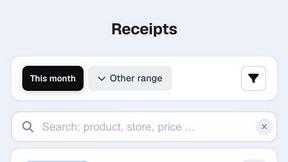
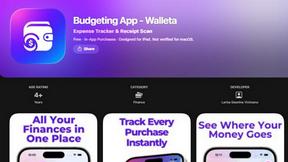
Budgeting App
Walleta is a free iOS budgeting app that simplifies expense tracking with AI receipt scanning and real-time budget management.
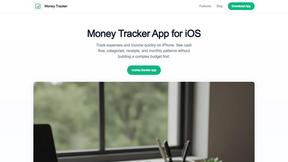
Money Tracker App
Effortlessly track your income and expenses with our private iOS app, featuring AI receipt scanning and no bank links or signups required.
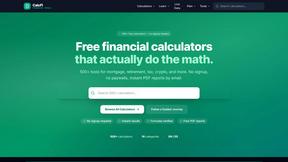
CalcFi
CalcFi provides over 500 free, cited financial calculators for instant, transparent answers to every money decision.

LowRiskTradeSmart
LowRiskTradeSmart provides free tools and low-risk strategies for smarter investing across global markets.
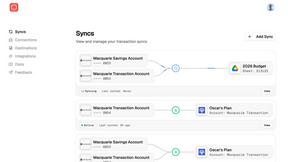
Redbark
Effortlessly sync your Australian bank and brokerage data to Google Sheets and YNAB for real-time financial tracking.
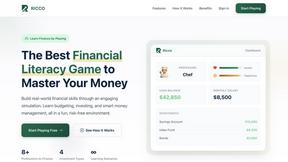
Ricco - Financial Literacy Game
Ricco is a fun financial literacy game that teaches budgeting, investing, and money management through real-life.
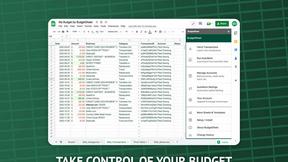
BudgetSheet
BudgetSheet automatically imports your live bank transactions directly into Google Sheets.
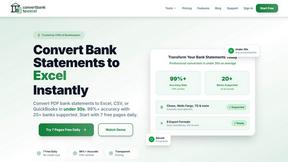
ConvertBankToExcel
ConvertBankToExcel swiftly transforms PDF bank statements into accurate Excel, CSV, and QuickBooks formats in under 30.
ExpenseManager
ExpenseManager effortlessly tracks expenses, splits bills, and forecasts cash flow for individuals, couples, and groups.

Portfolio Genius
Portfolio Genius is an AI investment advisor that provides real-time analytics and smart trade recommendations for.
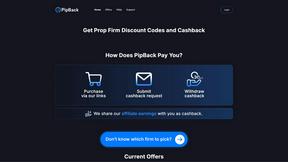
PipBack
PipBack helps prop traders save on challenges with exclusive discounts and real cashback rewards.
RydePlan
RydePlan uses AI to forecast car maintenance costs and send reminders, simplifying ownership.

Banknaked
Banknaked reveals hidden bank fees in minutes, empowering you to save money with secure, read-only account access.
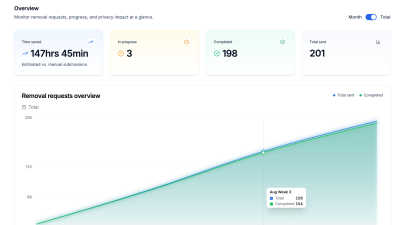
CrabClear
CrabClear safeguards your privacy by removing your data from over 1,500 brokers, giving you true control and security.

Finanz
Master your money with five minutes of stress-free, personalized financial learning daily.
Popular Alternatives in Personal Finance
About Personal Finance AI tools
Personal Finance tools help individuals manage their money through budgeting, expense tracking, investment monitoring, savings automation, and financial planning. This category includes budget planners, expense trackers, investment portfolio managers, savings apps, financial calculators, and comprehensive personal finance management platforms.
Whether you are creating a monthly budget, tracking daily expenses, monitoring investment performance, planning for retirement, or automating savings goals, these tools provide the visibility and control needed to make informed financial decisions and build long-term wealth.
Compare personal finance tools by their budgeting features, investment tracking, bank integration, security practices, and pricing to find the right financial management solution for your needs.
FAQs for Personal Finance
What types of personal finance tools are listed?
This category includes budgeting apps, expense trackers, investment portfolio managers, savings automation tools, financial calculators, debt management platforms, net worth trackers, and comprehensive personal finance dashboards.
How do personal finance tools connect to bank accounts?
Many tools use secure bank aggregation services like Plaid to connect to your accounts for automatic transaction import and categorization. These connections use bank-level encryption and read-only access for maximum security.
Are personal finance tools safe to use?
Reputable finance tools use bank-level encryption, secure authentication, read-only bank connections, and SOC 2 certified infrastructure. Always verify security certifications and read privacy policies before connecting financial accounts.
Can these tools help with investing?
Yes. Several tools offer investment portfolio tracking, performance analysis, asset allocation monitoring, dividend tracking, tax-loss harvesting suggestions, and market research features to support informed investment decisions.
Do personal finance tools work internationally?
Coverage varies by tool. Some focus on specific countries with local bank integrations and tax rules, while others support multiple currencies and international bank connections. Check individual listings for geographic support.
Are there free personal finance tools?
Yes. Many budgeting and expense tracking tools offer free tiers with core features. Investment tracking and advanced financial planning features typically require paid plans. Some are completely free with optional premium upgrades.