
Best Blockchain & Crypto AI tools (13+)
Discover 13+ best blockchain & crypto AI tools. Compare features, pricing, and reviews. Free and paid options available.

OpticAlpha
Real-time options flow, gamma exposure (GEX), crypto liquidation maps, COT forex and macro indicators.
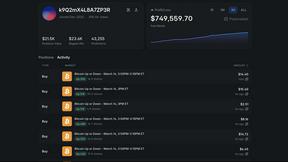
Polymarket Trading Bot For Crypto
A Polymarket trading bot that automates Bitcoin Up or Down strategies on 5-15 minute markets using a proven arbitrage and hedging approach.

Bitcoin Loans Market
Bitcoin Loans Market simplifies your search for Bitcoin-backed loans by comparing key offers side by side for informed borrowing decisions.
Autheo
Autheo is a unified Layer-0 OS and Layer-1 blockchain that simplifies Web3 development with integrated identity, compute, storage, and AI.

MadeOnSol
MadeOnSol curates Solana's best tools, tracks live KOL trades, and provides intel and API access.
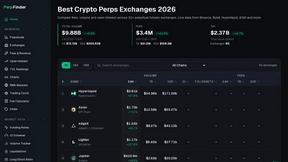
Perpfinder
A curated dashboard for comparing fees, volume, and open interest across the top crypto perpetual exchanges.
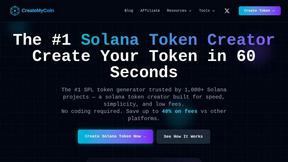
CreateMyCoin
CreateMyCoin allows anyone to effortlessly launch SPL tokens on the Solana blockchain in just 60 seconds, no coding needed.

Collab Chain
Collab Chain converts royalty statements into tamper-evident proof of credits and earnings for creators and.
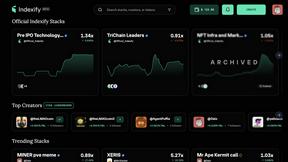
Indexify
Indexify lets you invest in expert crypto strategies through transparent, on-chain portfolios.
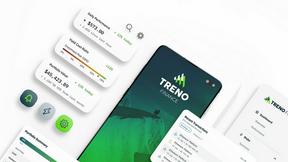
Treno.Finance
Treno.Finance transforms complex crypto data into actionable insights for effective risk management and confident.

Lendasat
Unlock instant cash with a Bitcoin-backed loan while your assets keep growing.
Popular Alternatives in Blockchain & Crypto
About Blockchain & Crypto AI tools
Blockchain and Crypto tools serve developers, traders, investors, and businesses working with distributed ledger technology, cryptocurrencies, and decentralized applications. This category includes crypto portfolio trackers, DeFi platforms, NFT tools, smart contract development environments, blockchain analytics, and wallet management solutions.
Whether you are building on-chain applications, managing crypto investments, analyzing blockchain data, or exploring Web3 opportunities, these tools provide the infrastructure and interfaces needed to navigate the crypto ecosystem effectively.
Compare blockchain and crypto tools by their supported chains, security features, developer tools, analytics capabilities, and pricing to find solutions that match your specific needs in the decentralized economy.
FAQs for Blockchain & Crypto
What types of blockchain tools are included?
This category includes crypto portfolio trackers, DeFi platforms, NFT marketplaces and tools, smart contract IDEs, blockchain explorers, wallet solutions, token analytics platforms, and decentralized application development frameworks.
Do I need coding skills for blockchain tools?
Not necessarily. Many tools offer no-code interfaces for portfolio tracking, trading, and basic DeFi interactions. Smart contract development and blockchain application building typically require programming knowledge in Solidity, Rust, or similar languages.
How do blockchain tools handle security?
Reputable blockchain tools implement industry-standard security measures including encryption, multi-signature support, hardware wallet integration, audit trails, and smart contract auditing. Always verify security practices before connecting wallets or sharing private keys.
Which blockchains are typically supported?
Most tools support major networks like Ethereum, Bitcoin, Solana, Polygon, and BNB Chain. Multi-chain support is increasingly common, with many tools adding new network compatibility regularly.
Are these tools suitable for businesses?
Yes. Many blockchain tools offer enterprise features including compliance monitoring, regulatory reporting, team management, API access, and dedicated support for businesses integrating blockchain technology into their operations.
How do I evaluate blockchain and crypto tools?
Consider supported chains, security track record, user reviews, team transparency, regulatory compliance, fee structures, and integration capabilities. Start with free tiers where available and never share private keys during evaluation.