
HomeEquipmentAge
HomeEquipmentAge decodes your HVAC serial number to instantly determine your furnace or AC unit's age for free.
Visit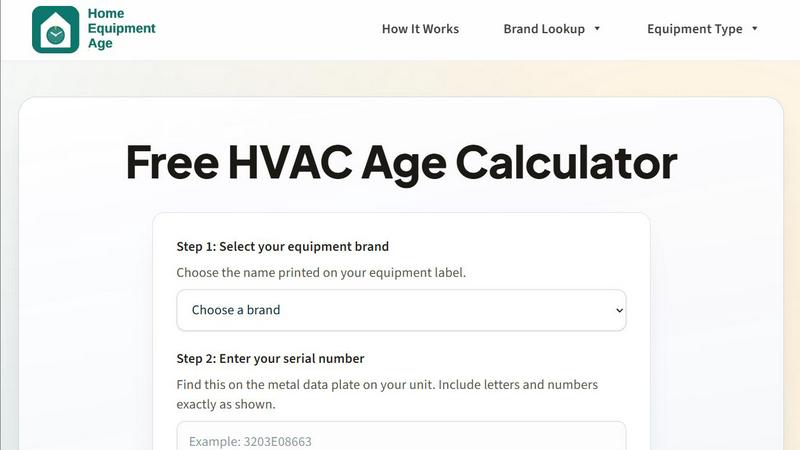
About HomeEquipmentAge
HomeEquipmentAge is a free, specialized serial number decoder and HVAC age calculator designed for homeowners who need quick, reliable context from their equipment labels before calling a technician or collecting replacement quotes. The product eliminates the frustration of deciphering cryptic serial codes by providing an intuitive, three-step process: select your HVAC manufacturer, enter the serial number exactly as printed on the metal data plate, and instantly receive an estimated manufacture date, approximate age, remaining useful life context, and clear repair versus replace guidance. No signup, no email, no hidden costs. The tool supports a comprehensive range of equipment types including furnaces, central air conditioners, heat pumps, water heaters, boilers, packaged rooftop units, and ductless mini-splits. It covers over twenty major brands such as Amana, American Standard, Armstrong, Bryant, Carrier, Coleman, Comfortmaker, Daikin, Ducane, Frigidaire, Gibson, Goodman, Heil, Intertherm, Lennox, Maytag, Partners Choice, Payne, Rheem, Ruud, Tempstar, Trane, and York. HomeEquipmentAge is built around published manufacturer serial formats and common field references used by service technicians, ensuring estimates are grounded in real-world pattern families rather than rigid, outdated rules. The site also provides educational content explaining how HVAC serial numbers are structured, where to find the data plate on different equipment types, and why equipment age matters for maintenance scheduling, budgeting, and replacement planning. Designed to turn confusing serial codes into clear, actionable next steps, HomeEquipmentAge empowers homeowners to make smarter money decisions before a breakdown forces their hand. It is a decision-support tool, not a substitute for professional diagnosis, but it provides one of the strongest starting points for smarter HVAC decisions.
Features of HomeEquipmentAge
Instant Brand-Specific Serial Number Decoding
The core feature of HomeEquipmentAge is its ability to decode serial numbers from over twenty major HVAC manufacturers instantly. Instead of searching scattered forum posts, outdated PDF charts, or trying to interpret inconsistent coding conventions yourself, you simply select your brand from a dropdown list and enter the serial number exactly as it appears on the equipment data plate. The decoder then cross-references your input against known pattern families for that specific manufacturer, accounting for changes in coding conventions over time. Results are displayed as an estimated manufacture date, approximate age in years, and a clear categorization of where your equipment falls in its lifecycle. This targeted, brand-aware approach delivers far more accurate and useful results than generic age calculators that apply one-size-fits-all logic.
Free, No-Signup Access with Immediate Results
HomeEquipmentAge is completely free to use with absolutely no signup, registration, or email required. You can access the full decoding functionality from any device with an internet connection without creating an account or providing any personal information. This commitment to frictionless access means homeowners can get the information they need in under thirty seconds, right when they are standing in front of their equipment with a serial number in hand. The tool delivers an instant age estimate, clear next-step guidance based on the estimated age range, and practical context for planning maintenance or gathering replacement quotes. There are no hidden paywalls, no premium tiers, and no limitations on how many serial numbers you can decode. This makes it an ideal resource for real estate professionals, home inspectors, and DIY homeowners who need quick answers without commitment.
Contextual Repair versus Replace Guidance
Beyond simply calculating age, HomeEquipmentAge provides meaningful, actionable context by categorizing results into three practical lifecycle stages. For equipment estimated at 0 to 9 years old, the guidance recommends maintaining and monitoring with annual service. For equipment between 10 and 14 years old, the tool advises planning a budget for higher repair frequency as components begin to age. For equipment 15 years or older, the recommendation shifts to comparing replacement quotes and coverage options. This staged guidance helps homeowners understand not just how old their equipment is, but what that age realistically means for their decision-making. The tool frames age as one factor among many, explicitly noting that equipment condition, repair history, installation quality, climate, and runtime all matter alongside age when choosing next steps. This balanced, practical approach prevents homeowners from making hasty decisions based on age alone.
Educational Content and Brand Guides
HomeEquipmentAge functions as more than just a calculator; it is an educational resource that helps homeowners understand the entire context of their HVAC equipment. The site includes detailed brand-specific serial number guides, equipment type guides, and explanatory pages that break down how serial numbers are structured, common places to find the data plate on different systems, and why equipment age matters for maintenance, budgeting, and replacement planning. Users can move seamlessly between popular brand lookups and equipment type guides using intuitive site navigation and hub sections. This educational layer transforms a simple decoding tool into a comprehensive decision-support platform. Homeowners leave with not just an age estimate, but a deeper understanding of their system and the confidence to have more informed conversations with service technicians, contractors, and real estate agents.
Use Cases of HomeEquipmentAge
Pre-Service Call Preparation for Homeowners
Before calling a technician to diagnose a malfunctioning furnace or air conditioner, homeowners can use HomeEquipmentAge to decode their serial number and understand the approximate age of their equipment. This context is invaluable because it allows them to set realistic expectations about whether a repair is economically sensible or if replacement should be considered. Armed with an estimated age and lifecycle guidance, homeowners can ask more informed questions during the service call, such as whether parts for an older system are still available or if the repair cost is justified given the equipment's remaining useful life. This preparation prevents surprise recommendations and empowers homeowners to make decisions based on data rather than pressure. The tool also helps them verify whether the technician's age estimate aligns with the decoded result, adding a layer of consumer protection.
Replacement Quoting and Budgeting Decisions
When a system has reached the 10 to 14 year age range, homeowners should begin planning for eventual replacement. HomeEquipmentAge provides the critical baseline information needed to start this process intelligently. Instead of guessing whether a system is "old enough" to replace, homeowners get a clear, data-backed age estimate that helps them decide if now is the right time to gather quotes or if they can responsibly defer the expense. The tool's guidance for 15+ year old equipment explicitly recommends comparing replacement quotes and coverage options, which helps homeowners avoid emergency replacements that often come with higher costs and limited choices. By knowing the equipment's age before contacting contractors, homeowners enter the quoting process with confidence and can better evaluate whether proposed solutions are appropriate for their system's lifecycle stage.
Real Estate Transactions and Home Inspections
Real estate agents, home inspectors, and prospective home buyers regularly need to assess the age of HVAC equipment during property transactions. HomeEquipmentAge offers a fast, reliable way to decode serial numbers found on equipment data plates during walkthroughs or inspections. Knowing the approximate age of a furnace, AC unit, or water heater helps buyers understand potential upcoming maintenance or replacement costs, which can influence offer prices, negotiation strategies, and contingency requests. For sellers, providing decoded age information upfront can demonstrate transparency and reduce the likelihood of last-minute renegotiations. The tool's free, no-signup access makes it particularly valuable for professionals who need to check multiple properties quickly without managing accounts or subscriptions. The educational content also helps non-technical buyers and agents understand what they are looking at on equipment labels.
DIY Maintenance Planning and Warranty Verification
Homeowners who perform their own routine maintenance or track their system's service history benefit directly from knowing their equipment's exact age. HomeEquipmentAge helps them determine if their system is still within the manufacturer's warranty period, which often depends on the manufacture date decoded from the serial number. This information is critical before authorizing any repairs, as warranty-covered work should always be handled through authorized channels. Additionally, knowing the age helps DIY homeowners prioritize maintenance tasks; a younger system might only need basic filter changes and annual cleaning, while an older system may benefit from more proactive inspections of heat exchangers, capacitors, and refrigerant levels. The tool also helps homeowners create realistic budgets for upcoming repairs based on their equipment's lifecycle stage, avoiding surprise expenses and ensuring they are not spending money on unnecessary preventive maintenance for a system that is already past its expected service life.
Frequently Asked Questions
How accurate is the age estimate from HomeEquipmentAge?
The age estimates provided by HomeEquipmentAge are based on published manufacturer serial number formats and common pattern families used by service technicians. However, because manufacturers can change their coding conventions over time without public notice, results are interpreted against known pattern families rather than a single rigid rule. The tool favors safer, more conservative estimates over false precision when a serial number appears ambiguous or unusual. For high-stakes decisions such as major repairs or full system replacement, you should always confirm the manufacture date by checking the data plate directly, reviewing service invoices, consulting warranty records, or having a professional HVAC technician inspect the unit. The tool is designed as a decision-support resource, not a certified replacement for professional verification.
What information do I need to use the age calculator?
To use the HomeEquipmentAge calculator, you need two pieces of information: the brand name printed on your equipment label and the full serial number exactly as it appears on the metal data plate. The brand name is typically displayed prominently on the unit's exterior or on the data plate itself. The serial number is a combination of letters and numbers that can usually be found on the same data plate alongside the model number and other specifications. It is critical to enter the serial number exactly as printed, including all letters and numbers, without adding spaces or interpreting characters. If you cannot find the data plate, the site provides educational guides explaining common locations for different equipment types, such as inside the furnace access panel, on the outdoor condenser unit, or on the side of a water heater.
Is HomeEquipmentAge really free? Are there any hidden costs?
Yes, HomeEquipmentAge is completely free to use with absolutely no signup, registration, or payment required. You can decode as many serial numbers as you want without creating an account, providing an email address, or entering any personal information. There are no premium tiers, limited free trials, or paywalls for accessing the full decoding functionality. The site does include an affiliate disclosure, noting that if you choose to use a partner link for products or services, the site may receive a commission at no extra cost to you. This affiliate relationship does not affect the tool's functionality or the guidance provided. The core value proposition remains entirely free and accessible to all homeowners.
What types of equipment does HomeEquipmentAge support?
HomeEquipmentAge supports a comprehensive range of common residential and light commercial HVAC equipment types. This includes furnaces, central air conditioners (AC), heat pumps, water heaters, boilers, packaged rooftop units, and ductless mini-split systems. The tool covers over twenty major brands including Amana, American Standard, Armstrong, Bryant, Carrier, Coleman, Comfortmaker, Daikin, Ducane, Frigidaire, Gibson, Goodman, Heil, Intertherm, Lennox, Maytag, Partners Choice, Payne, Rheem, Ruud, Tempstar, Trane, and York. If your equipment brand is not listed, the site's educational content can still help you understand how to locate the manufacture date on your data plate manually. The tool is continuously updated as new manufacturer serial number patterns become available.
Similar to HomeEquipmentAge


Pestless
Pestless connects Miami homeowners with licensed, insured local pest control pros for a free, no-obligation quote in 60 seconds.
SLABCALC - Crack Analyzer
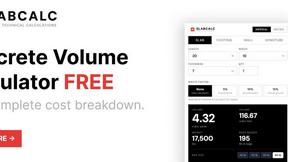
Upload a photo of any concrete crack for an instant AI diagnosis of failure mode, severity, and repair advice.
PropMIS
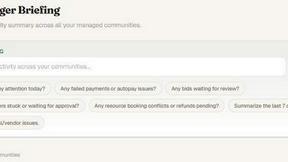
PropMIS uses AI to automate HOA payments, vendor management, and board communications in one platform.

AppealMyTax
AppealMyTax checks your property against county records for free, then prepares your protest for a flat $49 fee so you keep all savings.

AIRE Software
AIRE Software uses AI and big data to deliver comprehensive market and finance feasibility studies in just five days.

Hey! Sell My House Fast
Sell your house fast for cash in any condition nationwide with no fees or hassles.

EICR Bristol
EICR Bristol provides trusted electrical safety inspections and certificates for landlords and businesses.