

Alternatives to Self-Healing Integrations
Transform integrations into self-healing, AI-powered solutions that ensure reliability and efficiency without the overhead of traditional methods.
Explore 20 alternatives to Self-Healing Integrations. Compare features, pricing, and find the best fit for your needs.

Zeptap
Zeptap lets AI use your real iPhone like you do: open apps, read the screen, tap, swipe and type. Reply to DMs, post Stories, book rides, test apps.

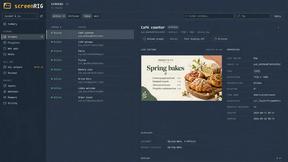
screenRIG
Signage and kiosk infrastructure for AI agents. Your agent publishes images, video, streams, web pages and apps to screens via one plugin.screenRIG is
Novastart
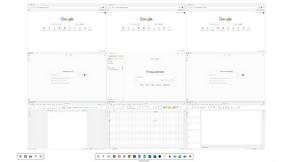
Novastart brings apps and files onto an infinite canvas where people and AI agents can work together.
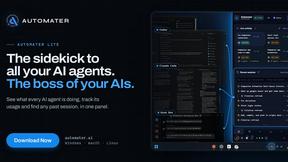


ReadyHermes
Your own hosted Hermes Agent in a minute: memory, self-learning skills, schedules, a real browser and 1,000+ app connections.

fit.
See any outfit on your own photo before you buy, and ask Aira, your AI stylist, what to wear from the clothes you own.

GetYouTubeTranscript
Free YouTube transcripts on the web, a Chrome extension, and an API + MCP server so AI assistants can read YouTube.


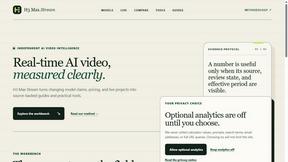



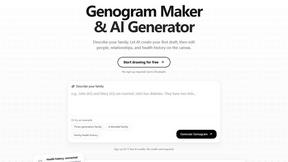
GenogramLab
GenogramLab is an AI-powered online genogram maker that turns family descriptions into editable diagrams, helping you visualize family structures and

Free Gemini Omni
Create, remix, and edit cinematic AI videos online with Free Gemini Omni using text, image, audio, and video prompts.
About Self-Healing Integrations Alternatives
Self-Healing Integrations is an innovative solution that enables seamless integration of various systems with an AI-managed lifecycle. This product belongs to the category of AI Assistants, designed to eliminate the burdens of traditional integration projects that demand extensive manual monitoring and maintenance. By automating the integration process, the platform allows businesses to focus on growth rather than grappling with the complexities of custom integrations. Users often seek alternatives to Self-Healing Integrations due to a variety of factors such as pricing, feature sets, and specific platform needs. Organizations may require more customizable options, different pricing structures, or features that align more closely with their operational workflows. When evaluating alternatives, it is essential to consider factors like ease of use, scalability, ongoing support, and the ability to adapt to changing business needs. A well-rounded solution should not only fit current requirements but also accommodate future growth.
FAQs about Self-Healing Integrations Alternatives
What is Self-Healing Integrations?
Self-Healing Integrations is a platform that facilitates the integration of various systems through an AI-managed lifecycle. It is designed to automate the maintenance and monitoring of integrations, allowing businesses to reduce the complexity and costs associated with traditional custom integration projects. This innovative approach streamlines processes, making it easier for organizations to connect and manage their systems efficiently.
Who is Self-Healing Integrations for?
Self-Healing Integrations is ideal for businesses of all sizes that require seamless system integration without the usual overhead of manual monitoring and maintenance. It caters to organizations looking to streamline their operations, enhance collaboration between systems, and reduce the time and cost associated with launching new integrations. Companies that frequently onboard new channels, systems, or partners will find this platform particularly beneficial.
Is Self-Healing Integrations free?
Self-Healing Integrations is not a free service; it operates on a pricing model that reflects its comprehensive features and ongoing support. Organizations interested in using the platform are encouraged to explore the pricing options available, which typically consider factors such as the scale of integration and specific needs. Investing in this solution can lead to significant savings in time and resources over the long term.
What are the main features of Self-Healing Integrations?
The main features of Self-Healing Integrations include automated monitoring, maintenance, and the ability to manage the entire integration lifecycle with the help of AI technology. This platform eliminates the need for constant manual intervention, ensuring that integrations remain functional and up-to-date. Additionally, it supports a wide range of systems, enabling organizations to connect effectively and efficiently without the usual integration hurdles.