

Alternatives to Decker
Decker is a deliverable operating system that helps consultants build, learn, and monetize their work through AI-powered workflows and a peer network.
Explore 20 alternatives to Decker. Compare features, pricing, and find the best fit for your needs.

Panzoe
Panzoe is an all-in-one AI platform for personal productivity, business automation, AI assistants, content creation, and custom AI solutions.
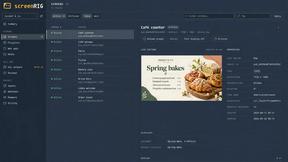
screenRIG
Signage and kiosk infrastructure for AI agents. Your agent publishes images, video, streams, web pages and apps to screens via one plugin.screenRIG is
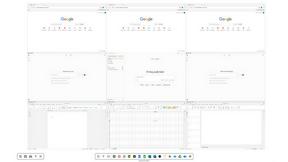
Novastart
Novastart brings apps and files onto an infinite canvas where people and AI agents can work together.
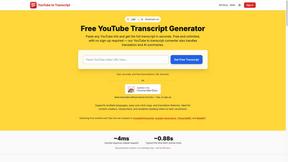
GetYouTubeTranscript
Free YouTube transcripts on the web, a Chrome extension, and an API + MCP server so AI assistants can read YouTube.

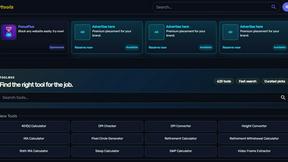
Kody Tools
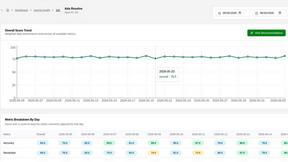
Free collection of online developer utilities, code formatters, and digital converters designed to streamline your daily workflow.


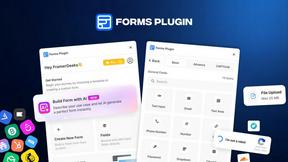
Forms Plugin
The #1 Native Form Builder Plugin for Framer - No Code, No Embeds, No External Platforms.

GenogramLab
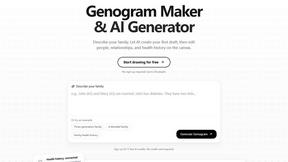
GenogramLab is an AI-powered online genogram maker that turns family descriptions into editable diagrams, helping you visualize family structures and

HomeAnswerBook
Practical, independent guides to home repairs, maintenance, costs, troubleshooting, and everyday fixes.
About Decker Alternatives
Decker is an AI-powered deliverable operating system designed specifically for consultants, investors, finance professionals, and operators. It falls within the business intelligence and productivity management category, functioning as a specialized tool to transform raw materials like messy files, notes, transcripts, and templates into polished decks, memos, models, and reports. While Decker offers robust capabilities for packaging expertise and monetizing intellectual property through its annotation and reuse features, users often seek alternatives due to considerations such as pricing structures suited to smaller teams, a desire for lighter integrations with existing workflow tools, or a need for a platform that emphasizes real-time collaboration over monetization. When evaluating alternatives, look for solutions that streamline your specific workflow without introducing unnecessary complexity, prioritize data security for sensitive financial materials, and offer transparent pricing that aligns with your actual usage volume rather than requiring a full ecosystem commitment. Choosing the right alternative requires a clear assessment of your primary deliverable format and team size. If your work centers on rapid client presentations, prioritize tools with strong template libraries and AI-assisted formatting. For those focused on deep financial analysis or modeling, seek platforms with advanced data import capabilities and version control. Avoid solutions that promise every feature under the sun; instead, select a tool that excels at the one or two tasks that consume the most time in your current process, such as note transcription or deck assembly. The best alternative will feel invisible in your workflow, allowing your expertise to shine through without forcing you to adapt to a rigid system that prioritizes monetization over the actual quality of the work product.
FAQs about Decker Alternatives
What is Decker?
Decker is an AI-powered deliverable operating system (OS) specifically built for consultants, investors, finance professionals, and operators. It functions as a productivity and business intelligence platform that transforms raw inputs such as messy files, notes, transcripts, and templates into high-quality professional outputs like decks, memos, models, reports, analyses, and review tables. The tool also enables users to capture, annotate, and package their expertise for future reuse and monetization.
Who is Decker for?
Decker is designed for consultants, investors, finance professionals, and operators who regularly produce complex deliverables. It is ideal for knowledge workers who need to turn unstructured information from meetings, research, and internal notes into polished client-facing materials. The platform is particularly suited for those seeking to systematize their intellectual property for future reuse and potential monetization.
Is Decker free?
The provided information does not specify a free tier or pricing model for Decker. As a specialized operating system for professional deliverables, it is typically offered under a subscription-based model. Users should consult the official Decker website for current pricing details, trial availability, and any free plan options.
What are the main features of Decker?
Decker's primary features include AI-powered transformation of messy files, notes, and transcripts into polished deliverables such as decks, memos, financial models, and reports. It also offers capabilities for capturing and annotating expertise, allowing users to package their knowledge for future reuse and monetization. The platform is categorized under AI Assistants, Business & Finance, Business Intelligence, and Productivity & Management, indicating a focus on streamlining complex analytical and presentation workflows.