
Oneprofile vs yTrade
Side-by-side comparison to help you choose the right AI tool.

Oneprofile
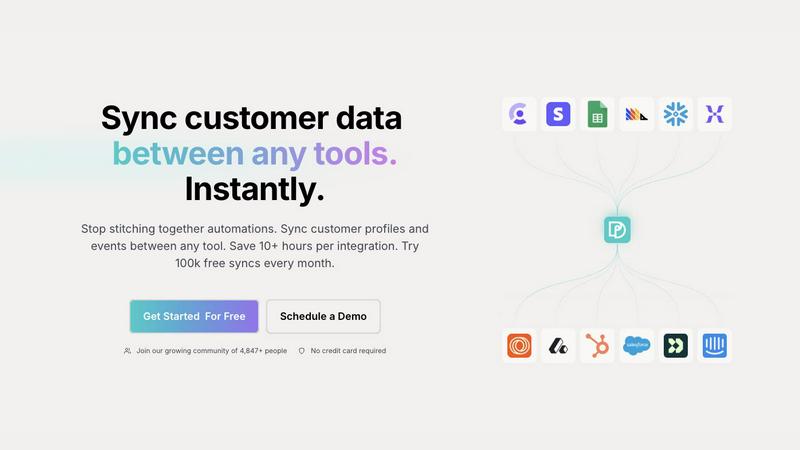
Oneprofile syncs customer data across all your tools to keep profiles consistent everywhere.
Last updated: February 28, 2026

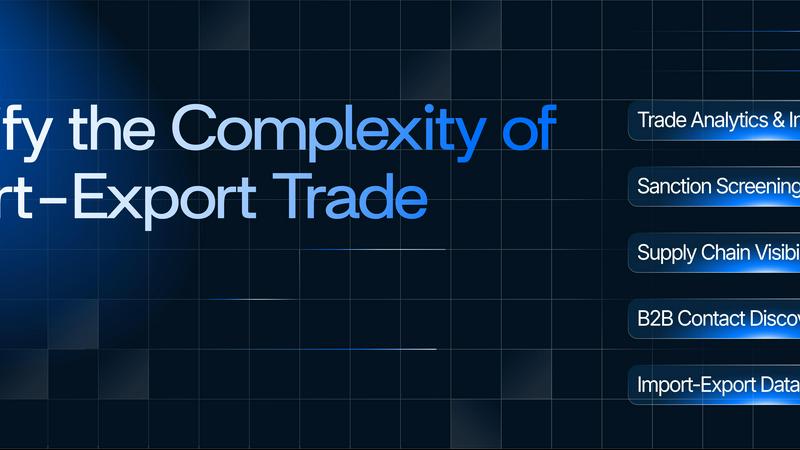
yTrade delivers AI-driven supply chain insights and real-time trade intelligence for informed global business decisions.
Last updated: March 1, 2026
Visual Comparison
Oneprofile
yTrade
Feature Comparison
Oneprofile
Unified Customer Profile Hub
Oneprofile brings together customer data from any SaaS tool or database into a single, consistent customer model. It intelligently matches customer identities and standardizes fields across disparate systems, ensuring that your CRM, marketing platform, and support desk are all referencing the exact same customer profile. This eliminates duplication and prevents data drift, even as information changes over time, providing a holistic and accurate view of every user.
Intelligent Identity Resolution
The platform automatically resolves customer identities across different tools, ensuring that "[email protected]" in Stripe is correctly recognized as the same person in Intercom, even if the records initially appear separate. This sophisticated matching logic connects the dots between user events and profile data, building complete customer journeys without manual intervention and guaranteeing that syncs are accurate and meaningful.
Configurable Sync Controls
You have complete control over how data flows between your systems. Oneprofile allows you to define sync direction (one-way or bidirectional), create custom field mappings automatically or manually, and set precise schedules for data updates. You can configure syncs to run on a recurring schedule, at specific intervals, or via cron jobs, tailoring the data flow to match your business processes instead of conforming to rigid, pre-built pipelines.
Real-Time Data Propagation
Changes made to customer data in any connected source tool are propagated to all designated destinations instantly. This real-time synchronization means that a support agent seeing an updated customer plan in Intercom, a marketer segmenting based on new LTV data in their platform, and a sales rep viewing the latest interaction in the CRM are all working from the same live information, enabling immediate and coordinated action.
yTrade
Trade Activity Intelligence
yTrade offers real-time visibility into global shipment activity, allowing users to track goods by HS code, trade lane, or counterparty. This feature provides critical context to act quickly and effectively, minimizing the risk of missed opportunities and costly decisions.
Entity & Contact Insights
This feature helps users uncover the actual entities behind trade activities. By mapping corporate structures and linking shipments to verifiable businesses, yTrade ensures that users can build reliable profiles of counterparties before committing to any trade relationships.
Sanctions & Compliance Monitoring
yTrade provides comprehensive monitoring against over 650 sanctions and denied party lists. It automates internal checks and sends instant alerts when any counterparty is flagged, ensuring users stay compliant and can address risks proactively.
Market & Competitor Monitoring
Users can track real-time trade flows to gain insights into market dynamics and competitor behavior. This feature allows businesses to spot sourcing changes, assess market trends, and catch early signals of shifts in trade activity that could impact their operations.
Use Cases
Oneprofile
Synchronizing Sales & Support Data
Keep your CRM and customer support platform perfectly aligned. When a sales representative upgrades a customer's plan in the CRM, that change is instantly reflected in the support tool. This ensures support agents have immediate context on account value and status, allowing them to provide appropriately tiered service and avoid awkward conversations based on outdated information.
Enabling Cohesive Marketing Campaigns
Ensure your marketing automation and analytics tools share unified customer profiles. When a user completes a key event in your product, that behavioral data can sync instantly to your marketing platform, triggering personalized email sequences or ad campaigns based on real-time actions, all while maintaining consistent demographic and firmographic data across every channel.
Streamlining Product-Led Growth Operations
For product-led growth teams, syncing product usage data with sales and marketing systems is critical. Oneprofile can sync trial sign-up events, feature adoption metrics, and in-app activity to tools like Salesforce or HubSpot, enabling sales teams to identify hot leads based on product engagement and marketers to nurture users with relevant content.
Maintaining Accurate Billing & Account Information
Automatically sync customer account details between your billing system (like Stripe) and other business tools. When a customer updates their payment method or subscribes to a new plan, that information is immediately available in the CRM and support software, ensuring all client-facing teams have accurate billing and subscription data at their fingertips.
yTrade
Supply Chain Optimization
Businesses can leverage yTrade to monitor and manage their supply chains effectively. By having real-time access to trade activity, companies can anticipate disruptions, adjust sourcing strategies, and ensure timely fulfillment of customer demands.
Counterparty Verification
yTrade is essential for risk management in trade relationships. Companies can use the platform to verify the legitimacy of counterparties by mapping ownership structures and analyzing trade histories, ensuring they engage with reliable entities.
Compliance Risk Management
With robust compliance monitoring capabilities, yTrade helps organizations manage regulatory risks by screening against various sanctions lists and receiving alerts on changes in counterparty statuses, thus safeguarding their operations.
Market Analysis and Competitive Strategy
Businesses can utilize yTrade to analyze market trends and competitor strategies. By tracking competitors' trade activities, companies can refine their own strategies, identify potential partnerships, and uncover new market opportunities.
Overview
About Oneprofile
Oneprofile is the definitive solution for unifying customer data across a modern business's technology stack. It automatically syncs customer profiles and events between any tools a company uses, such as CRMs, analytics platforms, support software, and marketing automation systems. The core problem it solves is data fragmentation; instead of each system maintaining its own incomplete and often conflicting version of a customer, Oneprofile creates a single source of truth that is kept consistent everywhere. When a customer's email, plan, lifetime value, or any other property is updated in one tool, that change is reflected instantly across all connected destinations. This eliminates the need for manual data entry, complex custom pipelines, and brittle integrations that break over time. Designed for growth-focused teams, Oneprofile ensures that every department—from sales and marketing to support and product—operates with the same accurate, up-to-date customer information, enabling personalized experiences and data-driven decisions without the operational overhead.
About yTrade
yTrade is an advanced AI-powered trade data intelligence platform that simplifies the complexities associated with global commerce. It enables businesses to transform vast amounts of unstructured trade data into clear, actionable insights that empower decision-makers. Designed for professionals who need more than static dashboards, yTrade aggregates structured trade and entity-related information from various sources, providing real-time visibility into shipment activities, corporate networks, and regulatory landscapes. Its core value proposition is to offer smart trade intelligence that enhances operational efficiency, mitigates risks, and uncovers new opportunities by revealing the actual entities and activities behind the data. With yTrade, businesses can navigate supply chains with speed, precision, and confidence, making informed decisions based on dynamic intelligence regarding trade flows, compliance risks, and competitive movements.
Frequently Asked Questions
Oneprofile FAQ
How does Oneprofile handle matching customers across different tools?
Oneprofile uses intelligent identity resolution, typically leveraging unique and consistent identifiers like email addresses to match customer profiles across different systems. It connects records for "[email protected]" from your billing, support, and marketing tools, merging them into a single, unified profile to ensure data consistency and eliminate duplicates across your entire stack.
What happens if the same field is updated in two different tools at once?
Oneprofile provides configurable rules to handle data conflicts. You can define a "source of truth" for specific fields, determining which system's data takes priority when conflicting updates occur. This ensures controlled and predictable data flow, maintaining integrity according to your business logic instead of creating chaotic or overwritten information.
Is coding required to set up integrations with Oneprofile?
No, Oneprofile is designed as a no-code/low-code platform. Setting up syncs between tools involves connecting your applications through OAuth or API keys, then using a visual interface to map fields and configure sync rules. This empowers operations and revenue teams to manage data flows directly without relying on engineering resources for every new integration.
What is included in the free plan?
The free plan offers 100,000 syncs every month, allowing you to connect tools and start syncing customer profiles and events without a credit card. It includes core features to unify data across key systems, making it ideal for startups and small teams to begin centralizing their customer data and eliminating manual workflows.
yTrade FAQ
What type of data does yTrade provide?
yTrade provides access to structured trade and entity-related information, including shipment activities, corporate networks, and regulatory compliance data, all in real-time.
How does yTrade ensure data accuracy?
yTrade aggregates data from multiple trusted sources and employs advanced AI algorithms to analyze and verify information, ensuring that users have access to accurate and up-to-date insights.
Can yTrade help with compliance monitoring?
Yes, yTrade includes a comprehensive compliance monitoring feature that tracks entities against sanctions lists and provides alerts on any changes, helping businesses manage regulatory risks effectively.
Is yTrade suitable for small businesses?
Absolutely. yTrade is designed for businesses of all sizes, providing essential trade intelligence that enables small businesses to compete effectively in the global market.
Alternatives
Oneprofile Alternatives
Oneprofile is a customer data synchronization platform within the analytics and data category. It automatically unifies customer profiles and events across a company's CRM, marketing, support, and analytics tools, ensuring every system has the same, current information. Businesses may explore alternatives for various reasons, such as specific pricing requirements, the need for different feature sets, or compatibility with a particular technical stack. The search often stems from a desire to find the perfect fit for unique operational workflows and growth plans. When evaluating options, consider the depth of native integrations, the reliability of real-time data flow, and the overall simplicity of maintaining the connection between your core business applications. The goal is to achieve seamless data harmony without introducing complexity.
yTrade Alternatives
yTrade is an AI-powered trade data intelligence platform that specializes in supply chain mapping and real-time trade insights for global businesses. It streamlines complex trade data into actionable insights, aiding decision-makers in navigating the complexities of international commerce. Users often seek alternatives to yTrade for various reasons, including budget constraints, specific feature needs, or integration capabilities with existing systems. When selecting an alternative, it is essential to consider factors such as the depth of analytics offered, the user interface's intuitiveness, and the platform's ability to meet unique business requirements.